Signature Handlettering: A Romantic Handwritten Font for Makers
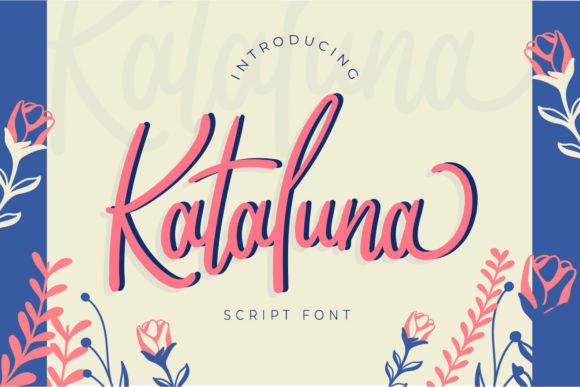
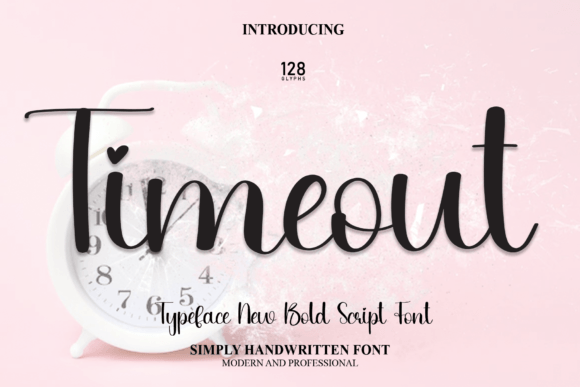
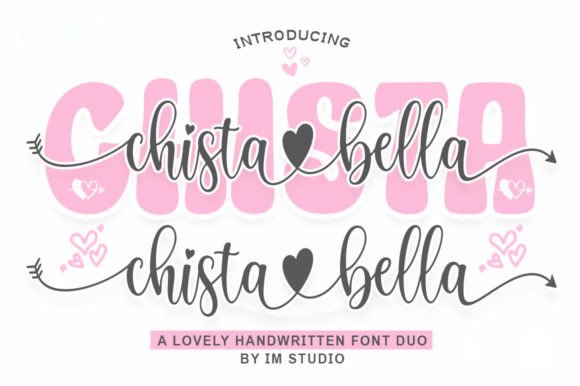
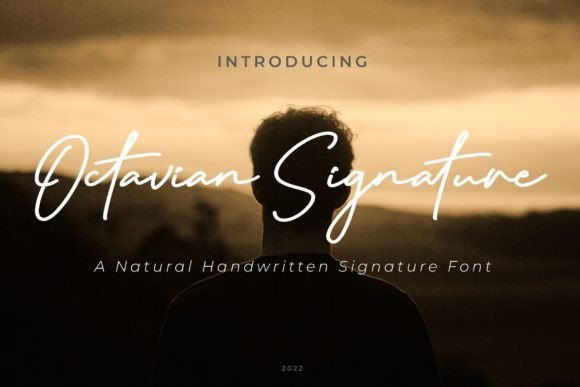
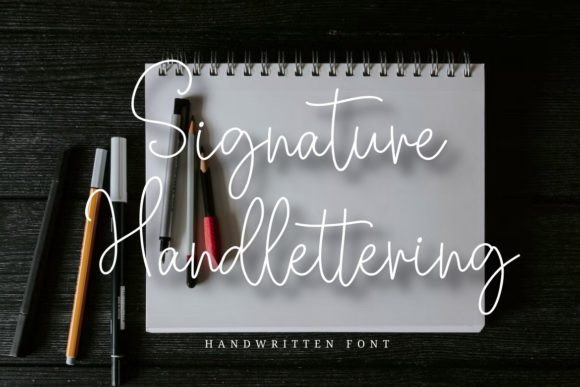
If you’ve ever spent hours tweaking letter spacing on a wedding invitation—or scrapped three versions of a candle label because the script felt too stiff or too fussy—you know how much weight the right font carries in handmade product design. Signature Handlettering isn’t just another script font. It’s a thoughtfully crafted handwritten typeface with gentle curves, soft entry/exit strokes, and that unmistakable warmth of real ink on paper—designed specifically for crafters who need beauty *and* function.
This is a Script Amp font built for real-world making: clean enough to cut cleanly on Cricut and Silhouette machines, expressive enough to evoke emotion on greeting cards and boutique tags, and refined enough to hold up across packaging, wall art, and digital printables. Its romantic touch comes through in subtle details—the slight taper on ascenders, the delicate bounce in baseline rhythm, the way lowercase “g” and “y” curl just so—not overdone, never distracting, always inviting.
I use Signature Handlettering most often for short, high-impact phrases where personality matters: shop names on wooden signs, couple names on wedding welcome boards, seasonal greetings on holiday mugs, and product descriptors on artisan soap labels. It shines brightest at sizes 24pt and up—perfect for SVG-style designs, printable wall quotes, planner headers, and social media graphics meant to stop the scroll. Because it’s intentionally designed for readability (no excessive flourishes crowding tight spaces), it works beautifully even at 14–16pt on printed business cards or small adhesive stickers—just avoid cramming full paragraphs into it. This is a display font, not a body font—and that’s exactly what makes it so effective.
For physical products, I’ve found Signature Handlettering adds immediate perceived value. A plain kraft tag becomes special when stamped with “Hand-poured • Small Batch” in this font. A simple white mug feels like a curated gift when “You’re My Person” flows across it in smooth, confident strokes. Customers notice the difference—not as “a nice font,” but as *care*. That quiet signal of intentionality strengthens brand consistency across your Etsy shop, Instagram feed, and packaging. When your logo, product labels, and digital templates all share the same handwritten voice, recognition builds faster—even before someone reads your shop name.
Real-world uses I rely on weekly:
- Candle & soap labels: Paired with a light sans serif (like Montserrat Light) for ingredients and weight info—Signature Handlettering handles the scent name (“Lavender + Rain”) and brand line with effortless charm.
- Wedding stationery: Used for guest names on place cards and “Mr. & Mrs.” on ceremony programs. The soft contrast between its fluidity and crisp serif body text keeps layouts elegant and legible.
- Farmhouse-style signs: Cut from balsa wood or engraved on acrylic—its open letterforms prevent breakage in thin strokes, and the natural variation in stroke weight gives depth without needing shadows or outlines.
- Digital printables: Planner covers, quote pages, and habit trackers gain warmth instantly. I export PDFs with embedded fonts so clients see exactly what they’ll print—no surprises.
- Seasonal product packaging: “Spiced Cider • Made with Love” on autumn tea boxes; “Merry & Bright” stitched onto linen gift tags—it adapts without losing its core voice.
Readability tips for makers: Always test cut at your intended size *before* loading material—especially for intricate sticker layers or fine vinyl weeding. For small labels under 1 inch wide, stick to 2–3 words max. On mockups, zoom to 100% view: if letters feel cramped or overlapping on screen, they’ll be harder to read in print or cut. And remember—this font includes standard ligatures and stylistic alternates (like a swash capital “S” or connected “Th” pair), which add polish without extra manual work. Check the included OTF/TTF files for multilingual support if you serve international customers or create bilingual baby announcements.
Font pairing is where Signature Handlettering truly sings. Its romantic handwriting style balances best with grounded, neutral companions: try it with a friendly sans serif (Poppins, Nunito) for modern product labels; a warm serif (Cormorant Garamond, Playfair Display) for vintage-inspired invitations; or even a clean monospace (JetBrains Mono) for contrast in tech-adjacent maker brands. Avoid pairing it with other scripts—that’s visual noise, not harmony. Let Signature Handlettering take the spotlight for names and titles, then let your secondary font handle clarity and structure.
One practical note every seller should know: Signature Handlettering is a commercial font licensed for physical product creation, digital downloads, SVG files, templates, and client work—no hidden restrictions. That means you can embed it in Canva templates you sell, use it to design printable wedding suites for clients, or cut it endlessly for your own merch line. Just verify the license includes “commercial use” (it does) and keep your original font files secure—no redistribution or resale of the font itself.
What sets Signature Handlettering apart isn’t just aesthetics—it’s how thoughtfully it bridges the gap between hand-drawn soul and production-ready precision. It doesn’t ask you to choose between charm and clarity, romance and reliability, or artistry and efficiency. Whether you’re pressing foil on wedding envelopes, designing Shopify banners, or cutting vinyl for a pop-up market stall, this handwritten font meets you where you make—and helps your customers feel seen, celebrated, and sincerely welcomed.